Septic System Relocation in Denver, CO
Septic system relocation services involve moving an existing septic tank and associated components to a new location on a property. This process is often necessary when property owners plan new construction, renovations, or landscape modifications that interfere with the current septic system placement. Projects can range from relocating the tank to accommodate a new driveway or building footprint, to adjusting the system for better access or improved functionality. Homeowners typically want to understand the scope of excavation, the impact on property use during the work, and any necessary permits or site assessments before requesting this service.
Property owners should consider factors such as the distance of the new location from existing structures, the accessibility of the site for equipment, and the condition of the current system. It is also important to evaluate soil conditions and local regulations that may influence the feasibility of relocation. Proper planning ensures the septic system remains compliant with health and safety standards, while minimizing disruptions to daily property use. Contacting a professional for an assessment can help determine the best approach for relocating a septic system efficiently and effectively.
Many property owners in Denver, CO look into Septic System Relocation for repairs, replacements, upgrades, and appearance-related improvements.
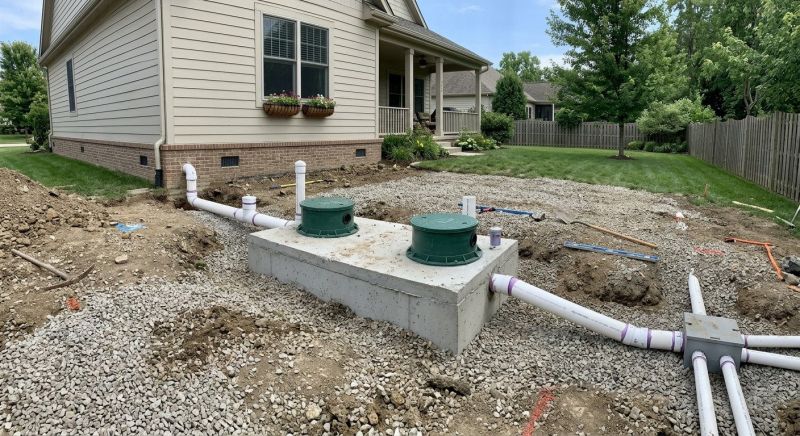
Septic System Relocation Services
Examples of septic system relocation work property owners may explore in denver, co.
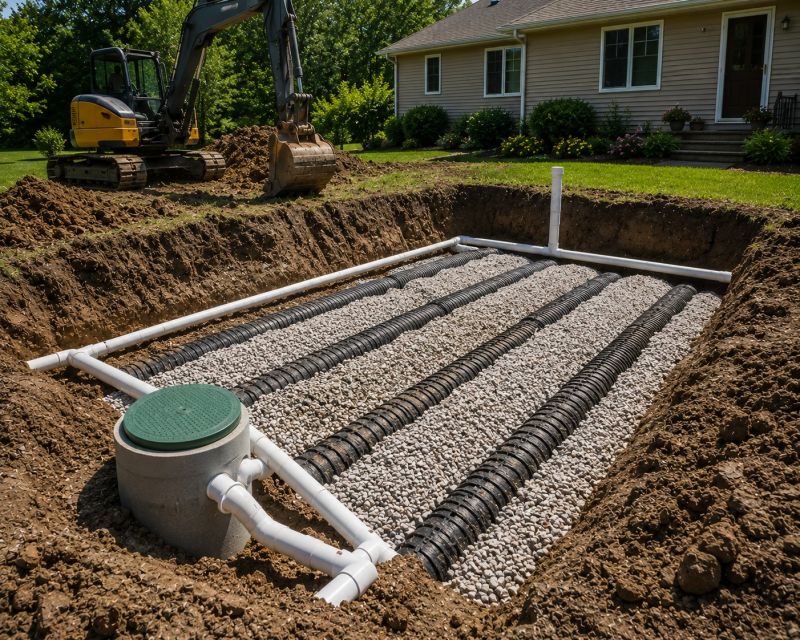
Septic System Relocation Updates
Common ways people refresh, improve, or restore septic system relocation features in denver, co.
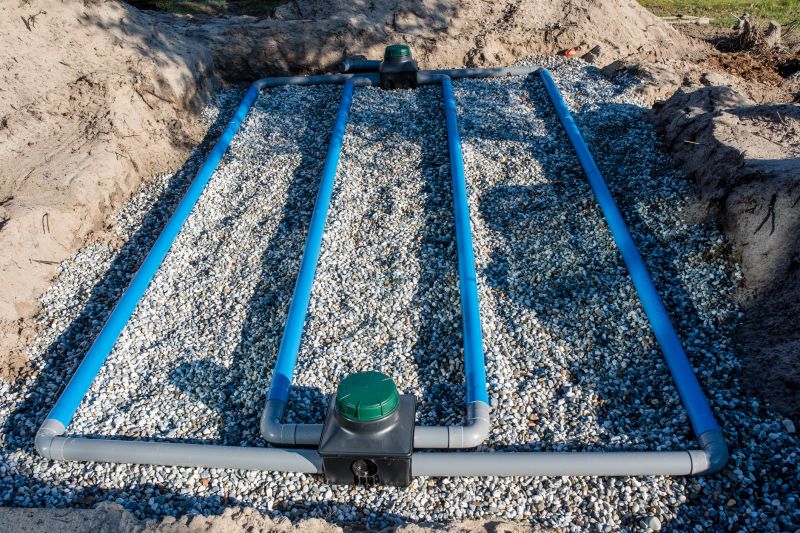
Septic System Relocation Options
Different styles, layouts, and finishes people consider for septic system relocation in denver, co.
Septic System Relocation in Denver, CO

Septic system relocation services involve moving an existing septic tank and associated components to a new location on a property. This process is often necessary when property owners plan new construction, renovations, or landscape modifications that interfere with the current septic system placement. Projects can range from relocating the tank to accommodate a new driveway or building footprint, to adjusting the system for better access or improved functionality. Homeowners typically want to understand the scope of excavation, the impact on property use during the work, and any necessary permits or site assessments before requesting this service.
Property owners should consider factors such as the distance of the new location from existing structures, the accessibility of the site for equipment, and the condition of the current system. It is also important to evaluate soil conditions and local regulations that may influence the feasibility of relocation. Proper planning ensures the septic system remains compliant with health and safety standards, while minimizing disruptions to daily property use. Contacting a professional for an assessment can help determine the best approach for relocating a septic system efficiently and effectively.
Many property owners in Denver, CO look into Septic System Relocation for repairs, replacements, upgrades, and appearance-related improvements.
Common Septic System Relocation Jobs
Septic System Relocation - services involve moving an existing septic system to a new location on the property.
Property Expansion - projects include relocating septic systems to accommodate additions or new structures.
Drainfield Adjustment - work may be needed to reposition drainfields for optimal function after relocation.
Site Assessment - evaluations determine the best new location for the septic system based on property layout.
Permitting Assistance - services can include navigating local regulations for septic system relocation.
Installation Planning - detailed planning ensures proper setup and compliance during the septic system move.
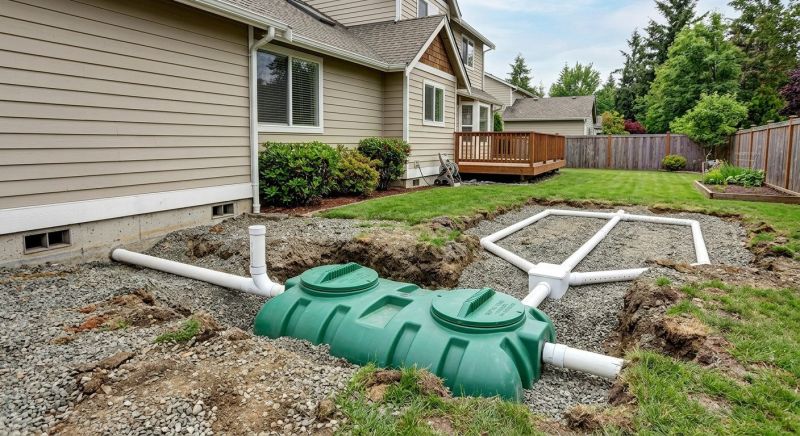
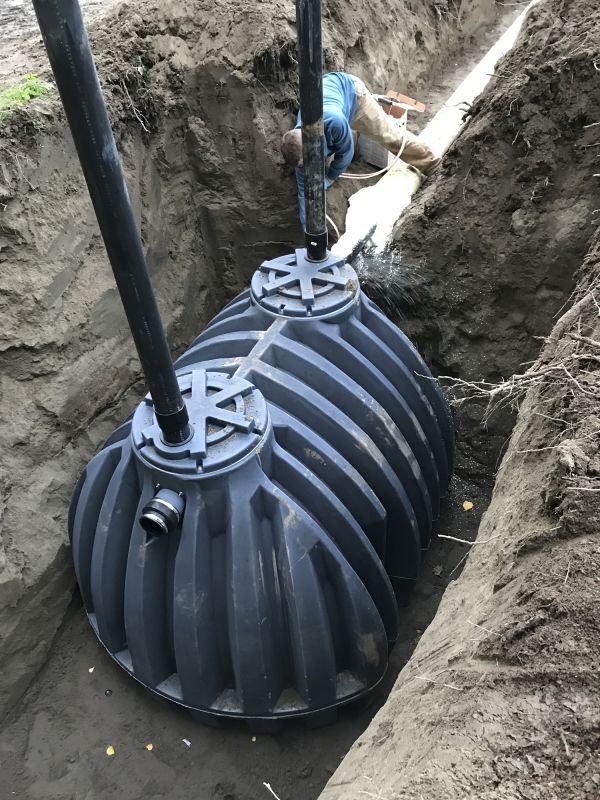
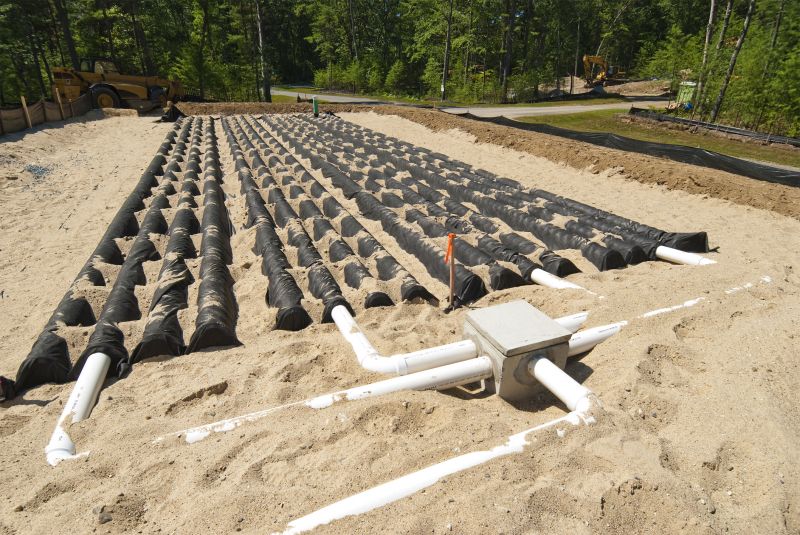
Septic System Relocation Questions
What is involved in relocating a septic system? The process includes assessing the site, excavating the existing system, and installing it in a new location to ensure proper function and compliance.
When should a septic system be relocated? Relocation is typically needed when property development, landscape changes, or access issues make the current system unsuitable or inaccessible.
What factors influence the cost of septic system relocation? Factors include the size of the system, distance of the move, site conditions, and necessary permits or adjustments to existing infrastructure.
What should property owners know before starting a septic system relocation? It’s important to evaluate site suitability, understand local regulations, and plan for proper drainage and access in the new location.
Request Septic System Relocation in Denver, CO
Use the quote form on this page to share the basics of your project and request more information for the type of work you need.