Septic System Replacement in Denver, CO
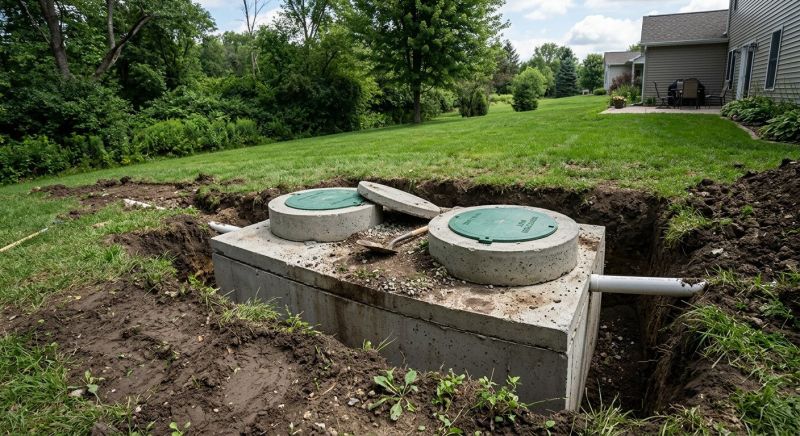
Septic system replacement involves removing an existing septic tank and installing a new system to ensure proper waste management for a property. This service covers a variety of projects, including replacing outdated or damaged tanks, upgrading systems to meet current codes, and installing new systems for properties without existing septic infrastructure. Property owners typically want to understand the reasons for replacement, such as system failure or capacity issues, as well as the process involved, including site assessment, permitting requirements, and the expected impact on their property.
Before requesting septic system replacement, homeowners should consider factors such as the size and type of the new system needed, the condition of the existing drain field, and local regulations governing septic installations. It’s also helpful to understand the potential disruptions during installation and the long-term maintenance requirements of the new system. Proper planning and understanding of these elements can help ensure a smooth replacement process and a reliable waste management solution for the property.
Many property owners in Denver, CO look into Septic System Replacement for repairs, replacements, upgrades, and appearance-related improvements.
Signs You Need A Replacement
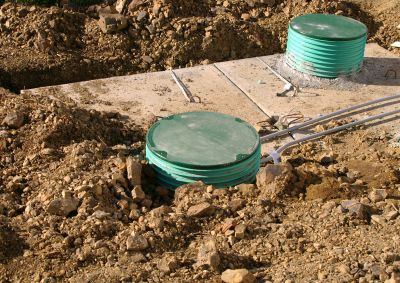
Understanding common indicators can help determine when a septic system needs to be replaced.
Choosing The Right System
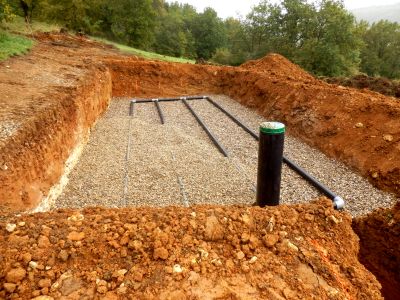
Selecting a suitable septic replacement involves considering property size, usage, and soil conditions.
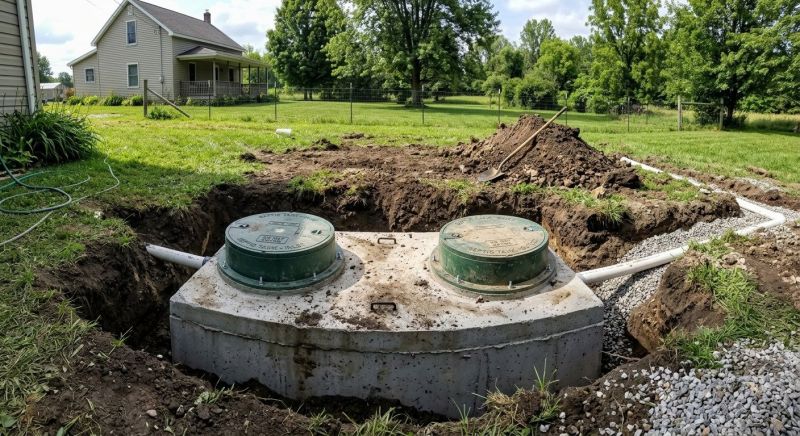
Installation Considerations
Proper installation ensures reliable operation and compliance with denver area regulations for septic systems.
Septic System Replacement in Denver, CO

Septic system replacement involves removing an existing septic tank and installing a new system to ensure proper waste management for a property. This service covers a variety of projects, including replacing outdated or damaged tanks, upgrading systems to meet current codes, and installing new systems for properties without existing septic infrastructure. Property owners typically want to understand the reasons for replacement, such as system failure or capacity issues, as well as the process involved, including site assessment, permitting requirements, and the expected impact on their property.
Before requesting septic system replacement, homeowners should consider factors such as the size and type of the new system needed, the condition of the existing drain field, and local regulations governing septic installations. It’s also helpful to understand the potential disruptions during installation and the long-term maintenance requirements of the new system. Proper planning and understanding of these elements can help ensure a smooth replacement process and a reliable waste management solution for the property.
Many property owners in Denver, CO look into Septic System Replacement for repairs, replacements, upgrades, and appearance-related improvements.
Common Septic System Replacement Jobs
Septic System Replacement - involves removing and installing a new septic system to ensure proper wastewater management.
Septic Tank Replacement - replaces aging or damaged tanks to prevent leaks and system failures.
Drain Field Replacement - updates or replaces the drain field to maintain effective sewage dispersal.
Complete Septic System Upgrades - modernizes existing systems for improved efficiency and compliance.
Septic System Removal - safely removes outdated or non-functional systems from the property.
Septic System Installation - installs new systems tailored to property size and usage needs.
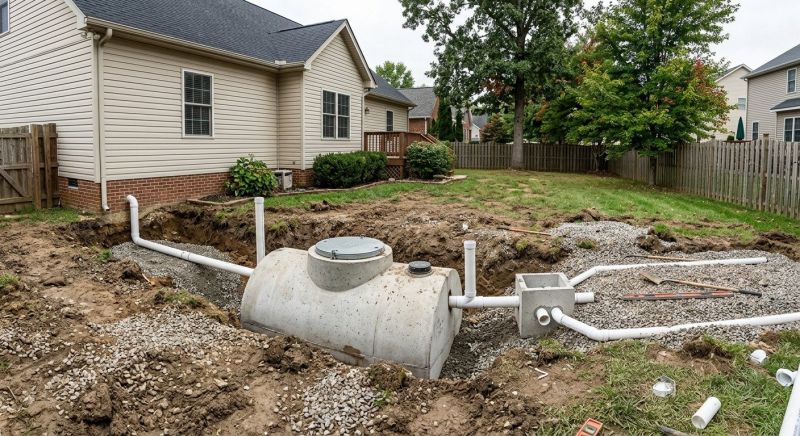
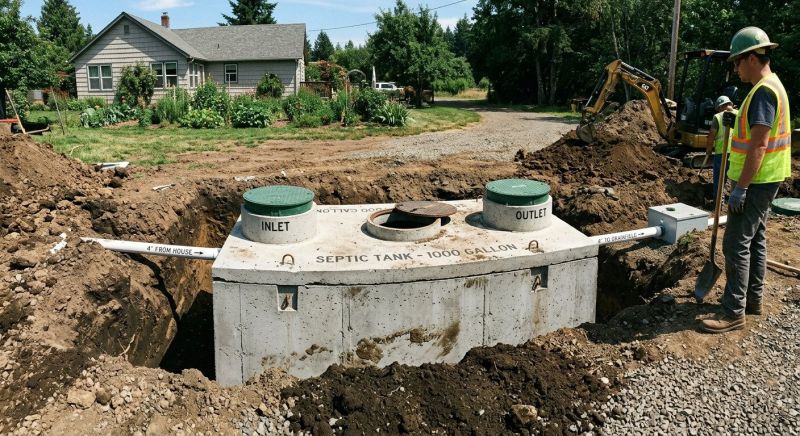
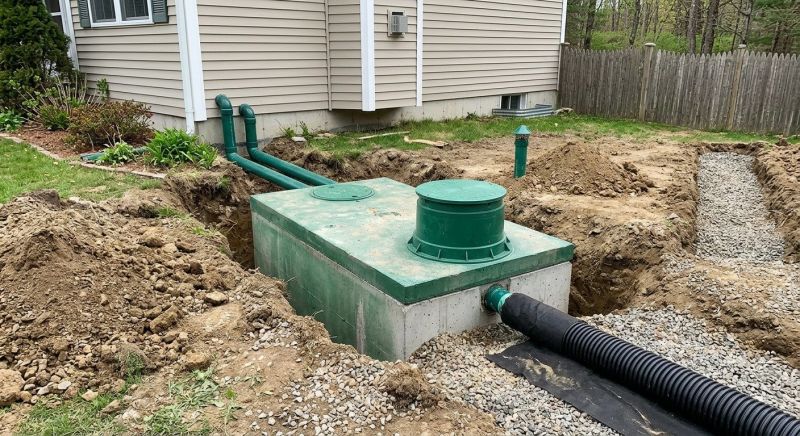
Septic System Replacement Questions
When is a septic system replacement needed? Replacement may be necessary if the system shows signs of failure, such as persistent backups, odors, or system failure after repairs.
What types of septic systems can be replaced? Various systems, including conventional and alternative designs, can be replaced depending on property needs and soil conditions.
How can I tell if my septic system is failing? Indicators include slow drains, sewage odors, standing water near the drain field, or backups in plumbing fixtures.
What should property owners consider before replacing a septic system? Factors include system size, soil suitability, property layout, and future maintenance needs.
Request Septic System Replacement in Denver, CO
Use the quote form on this page to share the basics of your project and request more information for the type of work you need.